



Menu

Washing Machine Overflow Cleanup in Richmond – Emergency Response Within 60 Minutes

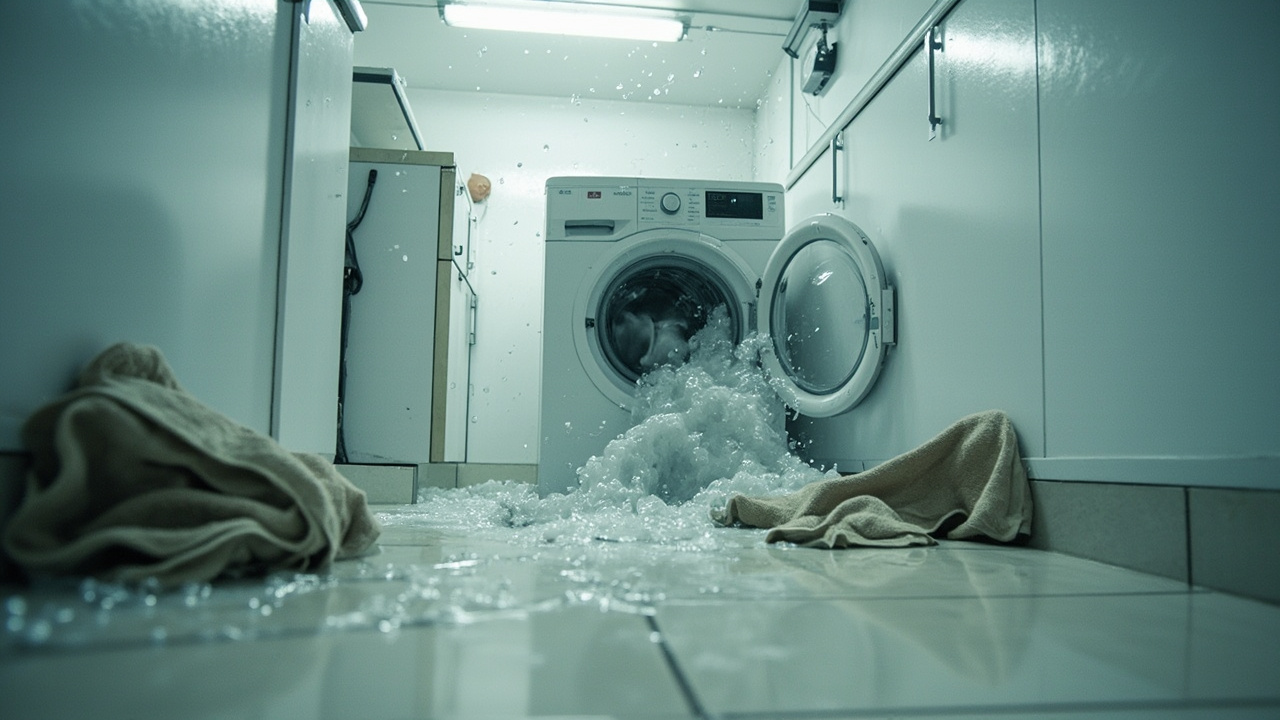
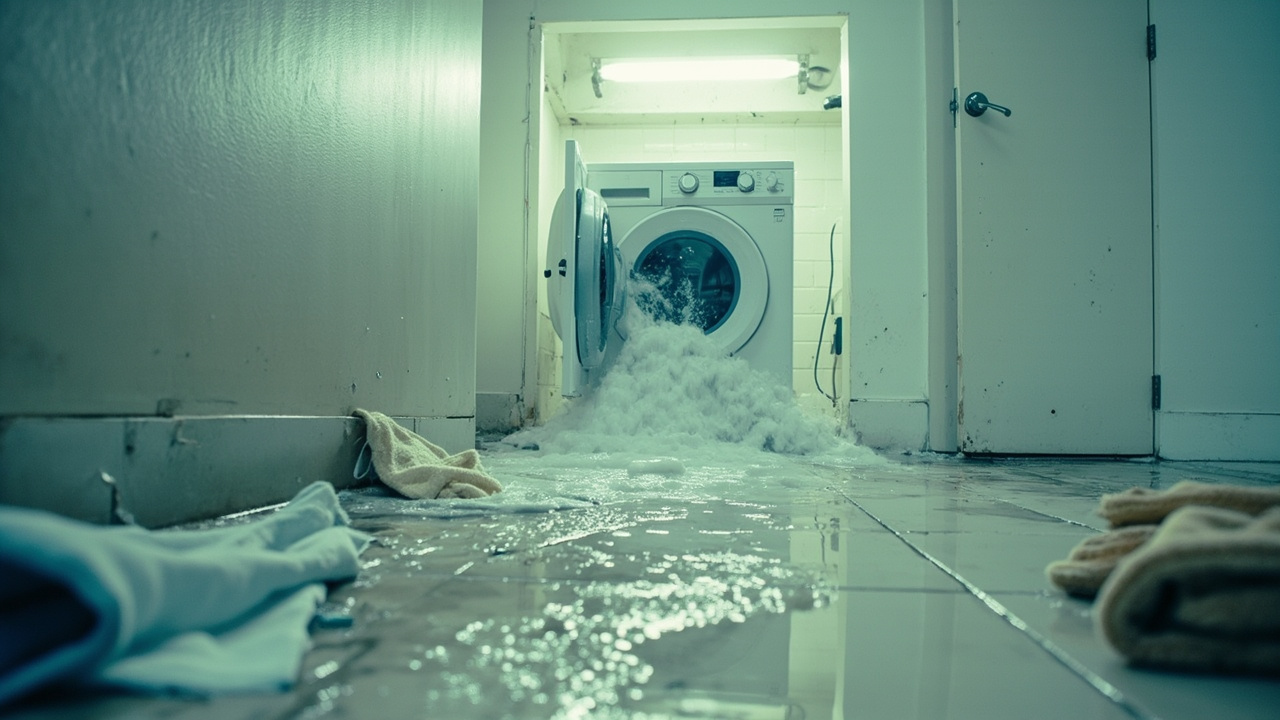
When your washing machine floods, you need immediate washing machine overflow cleanup that stops the spread before water seeps into subflooring and wall cavities. We dispatch certified technicians across Richmond 24/7 to extract standing water, dry structural materials, and prevent mold growth in the critical first hours.

Slider Image 1
Slider Image 2
Slider Image 3
Slider Image 4
Slider Image 5
Slider Image 7
Slider Image 8
Slider Image 9
Slider Image 10
Slider Image 11

Why Washing Machine Floods in Richmond Homes Escalate Fast

A washing machine overflow dumps 30 to 50 gallons of water onto your laundry room floor in minutes. In Richmond's humid climate, where indoor relative humidity already hovers near 60 percent during summer months, that water creates ideal conditions for mold colonization within 24 to 48 hours. The James River basin geography means many Richmond homes sit on clay-heavy soil that shifts seasonally, creating foundation microcracks where water migrates into crawl spaces and basement cavities.

You probably discovered the flood when you heard the splash or stepped into a soaking wet hallway. By then, water has already traveled under baseboards, into adjacent rooms, and beneath vinyl or hardwood flooring. Drywall wicks moisture vertically up to 18 inches. Subfloor plywood swells and delaminates. Carpet padding becomes a bacterial breeding ground.

Richmond's older housing stock in neighborhoods like the Fan District and Church Hill often features original hardwood floors with gaps between planks. Water funnels straight through to the subfloor and joists below. In newer construction around Short Pump and Glen Allen, laminate flooring traps water underneath, creating hidden pockets of moisture that standard air movers cannot reach.

Washing machine flood cleanup services must address both visible standing water and hidden moisture reservoirs. The first hour determines whether you face a manageable drying project or a full demolition of flooring and wall systems. Emergency washer flood remediation starts with understanding where the water went, not just where you see it pooling.

Why Washing Machine Floods in Richmond Homes Escalate Fast
How Professional Washer Water Damage Restoration Works

How Professional Washer Water Damage Restoration Works

Horizon Water Damage Restoration Richmond uses truck-mounted extraction units that pull standing water at 200 CFM, removing 99 percent of surface water in the first pass. We do not use shop vacuums. We deploy weighted wands that compress carpet fibers and extract water from the backing and pad simultaneously.

After extraction, we map moisture levels using penetrating moisture meters and thermal imaging cameras. These tools detect water migration patterns invisible to the naked eye. We document moisture readings in floor joists, wall studs, and subfloor panels to establish drying benchmarks. This data drives equipment placement and dictates drying duration.

Our laundry machine overflow water removal protocol involves placing low-grain refrigerant dehumidifiers that pull moisture from the air while directing airflow beneath flooring systems using injectidry mats. These mats create pressurized drying chambers under hardwood, tile, and laminate without requiring demolition. Air movers positioned at 45-degree angles create cyclonic airflow patterns that maximize evaporation rates.

We monitor drying progress every 12 hours using the same metering equipment. Richmond's summer humidity requires us to run dehumidifiers continuously to maintain vapor pressure differentials. In winter, heated air accelerators prevent condensation on cold exterior walls common in Richmond's brick veneer homes.

Washing machine leak water extraction is not complete until moisture readings in structural materials match unaffected control areas. We test subfloor panels, wall cavities behind the washer, and baseboards in adjacent rooms. Only when readings stabilize at 12 percent moisture content or lower do we consider the structure dry and ready for reconstruction. This precision approach prevents callback visits for secondary mold growth that cheaper competitors ignore.

What Happens During Your Washing Machine Flood Emergency Call

Washing Machine Overflow Cleanup in Richmond – Emergency Response Within 60 Minutes
01

Immediate Water Extraction

Our technician arrives with truck-mounted extraction equipment and begins pulling standing water from floors within minutes of entry. We move furniture to dry areas, pull up soaked area rugs, and extract water from carpet padding using weighted floor tools. You see the water level drop in real time as we work through the affected rooms, preventing further migration into unaffected spaces.
02

Moisture Detection and Mapping

We scan walls, floors, and baseboards with thermal cameras and moisture meters to locate hidden water pockets you cannot see. This step identifies whether water traveled under cabinets, into wall cavities, or beneath flooring systems. We mark affected areas and document baseline moisture readings that guide our drying strategy and help your insurance adjuster understand the full scope of damage.
03

Drying Equipment Deployment

We position industrial dehumidifiers and air movers based on the moisture map, creating targeted airflow patterns that accelerate evaporation in saturated materials. Injectidry mats go under flooring systems to dry subflooring without demolition. Equipment runs continuously under our supervision, with daily monitoring visits to track progress until moisture levels return to normal and your home is safe from secondary mold growth.

Why Richmond Homeowners Choose Local Washing Machine Flood Experts

Horizon Water Damage Restoration Richmond operates from a local dispatch center, which means our technicians reach homes in the Museum District, Northside, and South Richmond in under an hour. We do not route emergency calls through regional call centers in other states. You speak directly with our Richmond team who knows that homes near Bryan Park have crawl space access challenges and that Fan District rowhouses share common walls requiring containment protocols.

Our technicians train specifically on Richmond's housing characteristics. We know that homes built before 1970 often have cast iron drain lines prone to corrosion and leaks. We understand that newer construction in Midlothian and Chesterfield County uses engineered I-joists that require different drying techniques than solid lumber joists in older homes. This local knowledge prevents the generic approaches that leave hidden moisture and create long-term problems.

We maintain relationships with Richmond-area insurance adjusters who trust our documentation standards. Our moisture reports, thermal images, and drying logs meet the standards that major carriers expect, which speeds your claim processing and reduces out-of-pocket costs. When an adjuster questions the scope of work, we provide calibrated meter readings and photographic evidence that supports every line item.

Richmond's building codes require that water damage restoration meet Virginia Uniform Statewide Building Code standards for structural drying and mold prevention. Our work complies with IICRC S500 standards for water damage restoration, which align with state requirements and protect your home's value. We coordinate with licensed plumbers to repair supply line failures and ensure the washing machine hookup meets current code before we consider the job complete. This attention to compliance protects you from liability and ensures your homeowner's insurance remains valid.

What to Expect During Emergency Washer Flood Remediation

Response Time and Availability

We answer emergency calls 24 hours a day, 365 days a year, including holidays. Our average response time to Richmond addresses is 45 to 60 minutes from your initial call. A technician arrives in a marked vehicle with extraction equipment already loaded and ready to deploy. You do not wait for equipment to be gathered from a warehouse. Night and weekend calls receive the same priority as weekday emergencies because water damage does not pause for business hours. If we cannot reach your home within 90 minutes due to severe weather or traffic conditions, we notify you immediately with an updated ETA.

On-Site Assessment and Documentation

The initial assessment takes 20 to 30 minutes and involves moisture mapping, thermal imaging, and photographic documentation of all affected areas. We explain what we find in plain language and walk you through the drying strategy before deploying equipment. You receive a written scope of work that outlines the affected materials, equipment placement plan, and estimated drying duration. This documentation gets submitted directly to your insurance carrier if you choose to file a claim. We do not pressure you to sign authorizations or commit to repairs during the emergency visit. Our focus is stopping the damage and giving you accurate information to make informed decisions.

Final Drying Results

Complete structural drying takes three to five days for most washing machine overflows, depending on the volume of water and the materials affected. We monitor progress daily and adjust equipment placement as moisture levels drop. You receive a final moisture report showing that all affected materials have returned to dry standard, typically 12 percent moisture content or lower for wood-based materials. This report confirms that your home is safe for reconstruction and that no hidden moisture remains to cause mold growth. We remove all drying equipment only after final readings confirm the structure is completely dry.

Follow-Up and Prevention Guidance

After equipment removal, we provide a post-drying inspection within 48 hours to verify that no moisture has returned and that ventilation is adequate. We explain what caused the washing machine overflow and recommend preventive measures such as replacing aged supply hoses, installing flood stop valves, or upgrading drain line capacity. If reconstruction is needed, we coordinate with licensed contractors who specialize in water damage repairs and can match Richmond-area architectural styles. We remain available for questions about insurance claims, contractor selection, or moisture concerns for 90 days after project completion at no additional charge.

Frequently Asked Questions

You Have Questions,
We Have Answers

How to clean a washing machine overflow pipe? +

Turn off the water supply immediately. Remove the overflow pipe by loosening the connection clamp. Use a wet/dry vacuum to suction out standing water and debris inside the pipe. Flush the pipe with hot water mixed with a small amount of dish soap to break down soap scum and lint buildup. If the clog persists, use a plumbing snake to clear the blockage. Rinse thoroughly and reconnect the pipe. In Richmond's humid climate, check the pipe quarterly to prevent mold growth and ensure proper drainage.

How do you remove black mold from a washing machine rubber seal? +

Mix equal parts white vinegar and water in a spray bottle. Spray the rubber seal thoroughly and let it sit for 10 minutes. Scrub with a stiff brush to remove visible mold. For stubborn spots, apply a paste of baking soda and water. Wipe clean with a microfiber cloth. Dry the seal completely. Richmond's humidity accelerates mold growth, so leave the washer door open after each cycle to promote airflow. If mold returns quickly or penetrates deep into the rubber, call a water damage professional to assess hidden moisture issues.

What do you do when your washing machine overflows? +

Shut off the water supply valve behind the machine immediately. Unplug the washer to prevent electrical hazards. Use towels and a wet/dry vacuum to remove standing water quickly. Check the drain hose for kinks or clogs. If water has seeped into flooring or walls, you need fast action. Contact a water damage restoration specialist within 24 hours to prevent mold growth. Richmond's high humidity means mold can develop in 48 hours. Do not restart the machine until you identify and fix the overflow source.

How to clean up a washing machine flood? +

Act fast. Turn off power and water. Extract standing water with towels and a wet vacuum. Pull back wet rugs or furniture. Use fans and dehumidifiers to dry the area within 24 hours. Check baseboards and subflooring for moisture penetration. Richmond homes often have crawl spaces where water migrates, creating hidden mold risks. If water has spread beyond the laundry area or soaked into drywall, call a certified water damage restoration company immediately. They use moisture meters and industrial dryers to prevent structural damage and mold colonization.

Can I pour bleach down a washing machine drain pipe? +

No. Pouring bleach down the drain pipe can corrode metal components and damage rubber seals in your plumbing system. Bleach also kills beneficial bacteria in septic systems, common in parts of Henrico County. Instead, use hot water and dish soap to flush the drain pipe, or use an enzymatic drain cleaner designed for washing machines. For persistent clogs, use a plumbing snake. If the drain line is severely blocked or you smell sewer gas, call a licensed plumber to inspect the line before attempting chemical solutions.

How to unclog an overflow tube washer? +

Disconnect the overflow tube from the washer. Use a flashlight to inspect for visible blockages like lint, fabric softener buildup, or small clothing items. Insert a plumbing snake or straightened wire hanger to break up the clog. Flush the tube with hot water to clear loosened debris. If the tube remains blocked, remove it completely and soak it in hot water mixed with vinegar for 30 minutes. Reassemble and test. Richmond's hard water can create mineral deposits that narrow the tube over time, requiring periodic cleaning.

What is the black gunk in a rubber seal washing machine? +

That black gunk is a combination of mold, mildew, soap scum, fabric softener residue, and lint. It thrives in the damp, dark folds of the rubber seal. Richmond's humidity makes this worse. The mixture creates a slimy biofilm that smells musty and can transfer to your clean laundry. Regular cleaning prevents buildup. Wipe the seal dry after each wash and leave the door open. If the gunk returns quickly despite cleaning, check for a slow drain or ventilation issue that keeps moisture trapped.

What kills mold better, bleach or vinegar? +

Bleach kills mold faster on nonporous surfaces, but it does not penetrate porous materials like wood or drywall. Vinegar penetrates better and kills mold at the root, though it works slower. For washing machine seals, vinegar is safer because bleach can degrade rubber over time. However, neither product removes dead mold spores, which still trigger allergies. For extensive mold growth or mold behind walls from a washer overflow, hire a certified mold remediation specialist. They use HEPA filtration and antimicrobial treatments that prevent regrowth in Richmond's humid environment.

Can vinegar damage the washing machine seal? +

Undiluted vinegar used repeatedly can cause minor degradation of rubber seals over time, but diluted vinegar is safe for regular cleaning. Mix one part vinegar with one part water. Avoid soaking the seal for extended periods. Rinse thoroughly after cleaning and dry the seal. Richmond's high humidity already stresses rubber components by promoting mold growth, so balance cleaning frequency with proper ventilation. If the seal shows cracks, tears, or persistent leaks, replace it. A damaged seal causes overflow issues and hidden water damage behind the machine.

How to unblock washing machine drain pipe without taking machine apart? +

Disconnect the drain hose from the standpipe or drain connection. Straighten the hose and check for visible kinks or clogs. Use a plumbing snake or a high-pressure hose attachment to force water through the line and dislodge blockages. Pour hot water mixed with dish soap through the hose to break down soap scum. Reconnect and run a rinse cycle. If the drain remains slow or you hear gurgling, the blockage may be deeper in your home's plumbing system. Call a plumber to inspect the main drain line.

Why Richmond's Humidity and Housing Age Demand Fast Washing Machine Overflow Cleanup

Richmond sits in USDA Hardiness Zone 7a with average summer humidity levels between 55 and 70 percent. When washing machine water saturates subflooring or wall cavities, ambient humidity prevents natural evaporation and accelerates mold spore germination. The James River corridor creates localized moisture patterns that keep basements and crawl spaces damp even during dry months. Homes in low-lying areas near Forest Hill Park and along the Northside experience higher baseline humidity, which shortens the window for effective drying. Professional washing machine flood cleanup services must account for these conditions by running dehumidifiers longer and monitoring vapor pressure more carefully than in drier climates.

Richmond's housing stock includes thousands of homes built before 1950 with plaster walls, hardwood subflooring, and balloon framing that allows water to travel vertically between floors. These older construction methods require specialized drying techniques that differ from modern platform framing common in newer subdivisions. Horizon Water Damage Restoration Richmond trains technicians specifically on historic home characteristics found in the Fan, Museum District, and Church Hill neighborhoods. We understand how to dry century-old heart pine flooring without causing irreversible cupping and how to protect original plaster during the extraction process. This local expertise prevents the costly mistakes that out-of-area restoration companies make when they treat all homes identically.

Water Damage Restoration Services in The Richmond Area

Horizon Water Damage Restoration proudly serves the greater Richmond area and surrounding communities. Our strategic location allows us to respond quickly and efficiently to your water damage emergencies, no matter where you are. We are committed to being a local, reliable presence for our neighbors. View our service area on the map below to see how we can reach you and provide the swift, expert service you need.

Address:
Horizon Water Damage Restoration Richmond, 1840 W Broad St, Richmond, VA, 23220

Additional Services We Offer

Our news updates

Latest Articles & News from The Blogs

Identifying Slow Leaks in Flat Roofs Common Around Sandston Flat roofs in Sandston often develop slow leaks that property owners…

Identifying Slow Leaks in Flat Roofs Common Around Sandston

Identifying Slow Leaks in Flat Roofs Common Around Sandston Flat roofs in Sandston often develop slow leaks that property owners…

Simple Ways to Redirect Rainwater Away from Your Stratford Hills Foundation

Simple Ways to Redirect Rainwater Away from Your Stratford Hills Foundation Water pooling near your foundation in Stratford Hills can…

The Damage a Burst Washing Machine Hose Can Do in Just 30 Minutes

The Damage a Burst Washing Machine Hose Can Do in Just 30 Minutes A burst washing machine hose can release…

Contact Us

Every minute counts when your washing machine overflows. Call Horizon Water Damage Restoration Richmond now at (804) 602-2644 for immediate dispatch. Our emergency response team is standing by 24/7 to extract water, dry your home, and prevent permanent damage.