



Menu

Wet Carpet & Padding in Richmond – Expert Diagnosis and Complete Moisture Removal

When you find soaked carpeting and underlay in your home, you need fast identification of the source and complete water extraction to prevent mold growth, structural damage, and permanent flooring loss in Richmond's humid climate.

Slider Image 1
Slider Image 2
Slider Image 3
Slider Image 4
Slider Image 5
Slider Image 7
Slider Image 8
Slider Image 9
Slider Image 10
Slider Image 11

Why Wet Carpet Problems Escalate Quickly in Richmond Homes

You step onto your carpet and feel the cold squish of water. Maybe you noticed a musty smell first. Either way, saturated carpet and cushion signals a problem that worsens by the hour in Richmond's environment.

The combination of Virginia's high humidity and Richmond's seasonal temperature swings creates ideal conditions for rapid mold colonization once carpeting gets wet. Within 24 to 48 hours, mold spores begin multiplying in water damaged carpet and pad. The cushion acts like a sponge, holding moisture against your subfloor and creating hidden damage you cannot see from above.

Richmond homes in neighborhoods like The Fan and Church Hill often feature older plumbing systems that develop slow leaks behind walls or under slabs. You might not notice the problem until the flooded carpet and underpad has been absorbing water for days or weeks. By then, the subfloor may have started swelling or delaminating.

Other common causes include failed washing machine hoses, overflowing toilets, roof leaks during heavy storms, and foundation seepage after prolonged rain. Richmond sits in a region that receives about 44 inches of rain annually, with intense summer thunderstorms that can overwhelm gutters and downspouts. Water finds its way inside through the smallest gaps.

The real danger is not just the visible moisture. Wet carpet underlayment traps water between layers, creating pockets of standing moisture that wick into drywall, baseboards, and wooden framing. You might think the surface is drying, but destructive saturation continues below. Bacteria growth accelerates. Odors intensify. Structural integrity weakens. The longer you wait, the more extensive and expensive the restoration becomes.

Why Wet Carpet Problems Escalate Quickly in Richmond Homes
How We Stop Damage and Restore Dry Conditions

How We Stop Damage and Restore Dry Conditions

Effective carpet and padding restoration requires more than fans and hope. Horizon Water Damage Restoration Richmond uses moisture mapping technology to identify the full extent of saturation, not just the areas that feel wet to your hand.

We start with thermal imaging cameras that reveal temperature differentials caused by evaporative cooling. Wet areas show up as cooler zones on the scan. This lets us see exactly where water has traveled through your flooring system, even into adjacent rooms or under cabinets where you would never look.

Next, we measure moisture content using penetrating pin meters and non-invasive scanners. We take readings at multiple depths in the carpet, pad, and subfloor. This data tells us whether extraction alone will work or whether we need to remove materials entirely. Padding saturated beyond 50 percent often cannot be saved because it loses structural integrity and becomes a microbial reservoir.

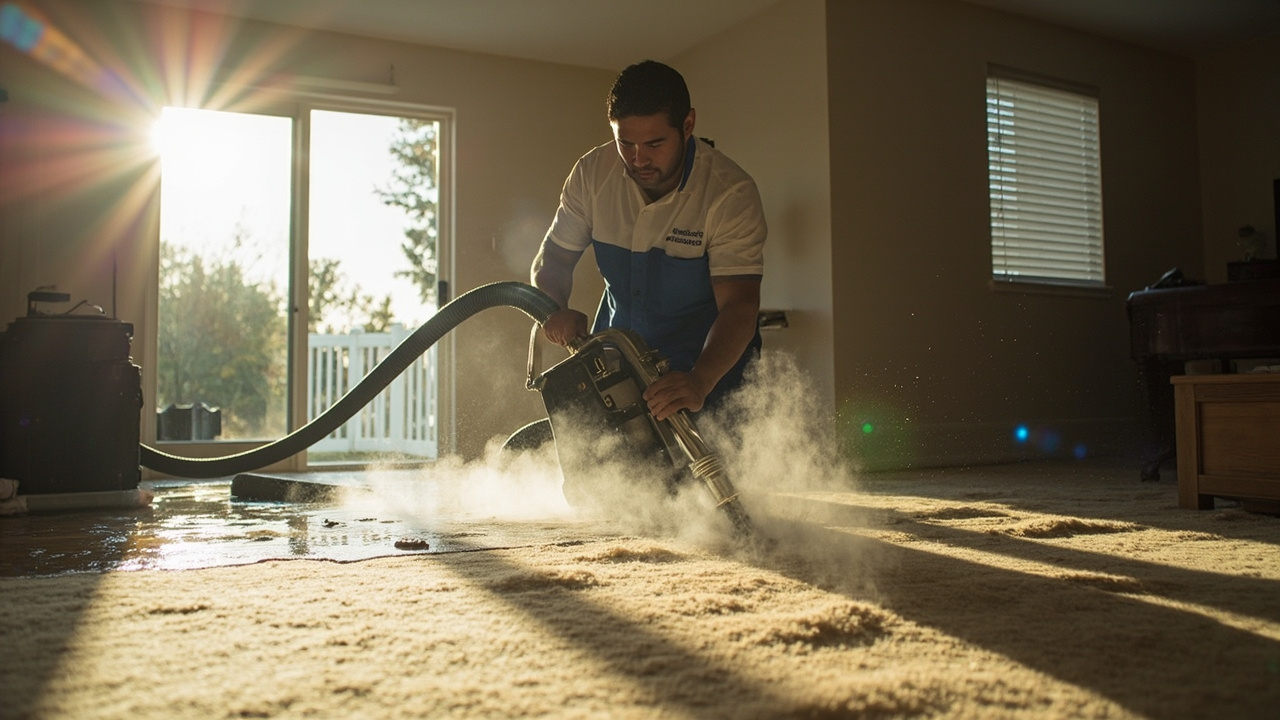
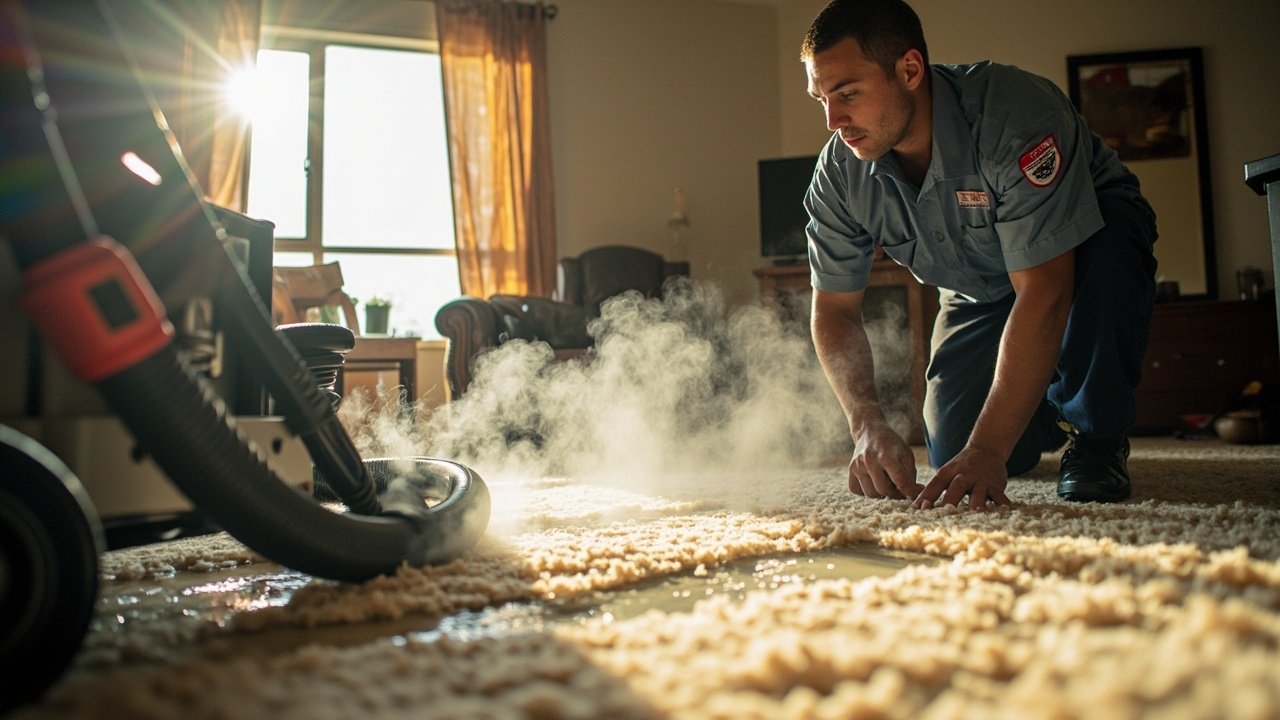
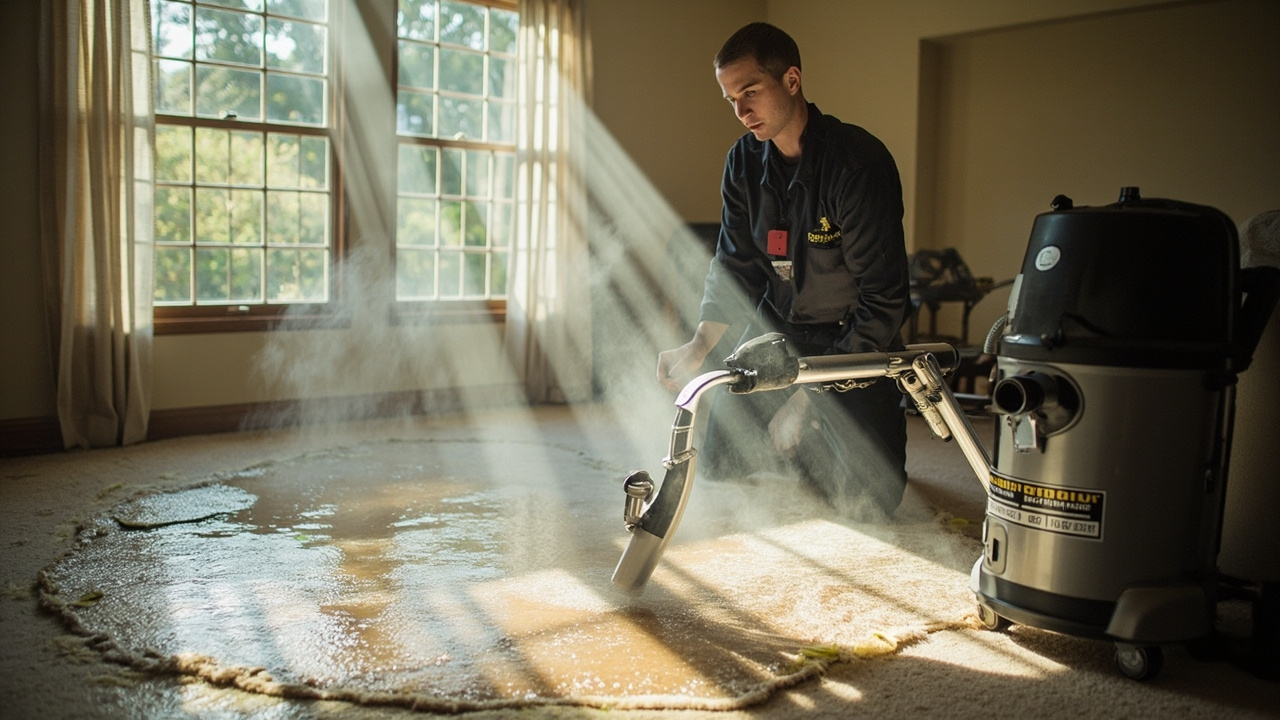
Our truck-mounted extraction units pull thousands of gallons of water from flooring systems. These are not the small shop vacuums you rent at a hardware store. Commercial extraction equipment creates powerful suction that removes water from deep within the carpet fibers and cushion layers.

After extraction, we deploy professional air movers and dehumidifiers to create rapid drying conditions. We do not just dry the carpet surface. We control the environment to pull moisture from subfloors, wall cavities, and any building materials affected by wicking. We monitor humidity levels and material moisture content daily, adjusting equipment placement and airflow until readings return to normal.

If necessary, we remove carpeting and padding to inspect and treat the subfloor. Wood subfloors that remain wet for more than 72 hours often require sanding, treatment, or replacement. Concrete slabs need complete drying before new flooring goes down, or trapped moisture will cause adhesive failure and mold growth under the new installation.

What Happens During Emergency Carpet Water Removal

Wet Carpet & Padding in Richmond – Expert Diagnosis and Complete Moisture Removal
01

Immediate Source Control

We stop the water source first, whether that means shutting off a supply line, containing a leak, or extracting standing water from the affected area. You cannot dry a carpet while water continues flowing. We identify the cause, stop the intrusion, and prevent additional saturation. This protects your flooring and limits damage spread to walls and adjacent rooms.
02

Complete Moisture Extraction

We use truck-mounted extraction equipment to remove water from soaked carpeting and underlay. Our technicians make multiple slow passes over affected areas, pulling moisture from deep within the carpet pile and padding layers. We move furniture, lift carpet edges, and extract water trapped under tack strips. This step removes the bulk of the moisture and prevents it from wicking into baseboards and drywall.
03

Controlled Environment Drying

We position air movers and dehumidifiers to create optimal drying conditions, pulling residual moisture from carpet fibers, padding, and subfloors. We monitor moisture readings daily and adjust equipment as needed. Drying continues until all materials return to normal moisture content. This prevents mold growth, eliminates odors, and restores your flooring to safe, dry conditions without hidden damage underneath.

Why Richmond Homeowners Choose Local Water Damage Specialists

When you discover flooded carpet and underpad in your home, you need a team that understands Richmond's unique building characteristics and environmental challenges. Horizon Water Damage Restoration Richmond specializes in the specific flooring and structural conditions found in Virginia homes.

Many Richmond properties, particularly in historic neighborhoods like Oregon Hill and Jackson Ward, feature older flooring systems with limited moisture barriers. Water damage in these homes requires careful handling to preserve original hardwood subfloors and prevent damage to plaster walls. We understand how water travels through older construction and where hidden damage is most likely to occur.

Richmond's climate creates additional complications. Summer humidity levels regularly exceed 70 percent, which slows natural evaporation and increases the risk of secondary mold growth. We account for ambient humidity when planning drying strategies, using commercial dehumidifiers to control indoor moisture levels and prevent conditions that support microbial activity.

We also understand local insurance requirements and documentation standards. Most Richmond homeowners carry policies that cover sudden water damage events, but you need proper documentation to support your claim. We photograph affected areas, maintain detailed moisture logs, and provide the documentation your insurance adjuster needs to process your claim quickly.

Our technicians live and work in the Richmond metro area. We know the building codes, the common plumbing failure points in local construction, and the seasonal weather patterns that cause water intrusion. When you call us for wet carpet underlayment problems, you get a team that has handled hundreds of similar situations in homes just like yours.

Speed matters in water damage restoration. The faster you extract moisture and begin drying, the less damage occurs and the lower your restoration costs. We respond quickly to calls in Richmond, Glen Allen, Mechanicsville, and surrounding communities, arriving with the equipment and expertise to stop damage progression immediately.

What to Expect When You Call for Carpet Water Damage Help

Rapid Response Times

Water damage does not wait for business hours. We provide emergency response services throughout Richmond and arrive quickly after your call. Our technicians carry extraction equipment, moisture meters, and air moving equipment on every truck, so we can begin mitigation work immediately upon arrival. You do not wait days for equipment rental or scheduling. We start stopping damage the moment we walk through your door. Fast response reduces total damage, lowers restoration costs, and increases the likelihood of saving your existing carpet and padding.

Thorough Damage Assessment

We inspect all affected areas using moisture detection technology, not just visual observation. Our technicians check carpet, padding, subfloors, baseboards, and wall cavities to identify the full scope of water intrusion. We measure moisture content at multiple depths and locations, creating a damage map that guides our restoration strategy. You receive a clear explanation of what we found, what needs to happen next, and what outcome to expect. This assessment includes documentation suitable for insurance claims, with photographs and moisture readings that support your coverage request.

Complete Drying and Restoration

We do not leave until your flooring system returns to normal moisture content. Our restoration process includes water extraction, controlled environment drying, antimicrobial treatment if needed, and final verification that all materials are dry and safe. If padding or carpet requires replacement, we remove damaged materials and prepare surfaces for new installation. You get flooring that looks clean, smells fresh, and contains no hidden moisture or mold growth. We take final moisture readings to confirm complete drying before considering the job finished.

Insurance Documentation Support

Most water damage events are covered by homeowner insurance policies, but you need proper documentation to support your claim. We provide detailed reports that include photographs, moisture readings, equipment logs, and descriptions of all work performed. Our documentation meets insurance company requirements and helps expedite your claim processing. We can communicate directly with your adjuster if needed and provide any additional information requested. You do not navigate the claims process alone or wonder whether you have the paperwork your insurance company needs to approve coverage.

Frequently Asked Questions

You Have Questions,
We Have Answers

Is carpet padding ruined if it gets wet? +

Yes, carpet padding is typically ruined once saturated. Padding absorbs water like a sponge and holds moisture against the subfloor. This creates conditions for mold growth, structural damage, and odor. In Richmond's humid climate, wet padding rarely dries completely before microbial growth begins. Even if it appears dry on the surface, moisture trapped in the foam or felt core promotes bacteria and mold. Professional extraction cannot remove all moisture from padding. Replacement is the safest option to protect your subfloor and indoor air quality. Attempting to save wet padding often leads to bigger restoration costs later.

How to dry out wet carpet padding? +

Remove the carpet and expose the padding immediately. Use a wet vacuum to extract standing water. Position air movers to create airflow across the padding surface. Run a dehumidifier to pull moisture from the air. Check the subfloor beneath for saturation. In Richmond's humidity, drying padding thoroughly takes 48 to 72 hours under ideal conditions. Use moisture meters to confirm the padding registers below 15 percent moisture content. If the padding was contaminated by sewage or floodwater, discard it immediately. Clean water damage may allow salvage if you act within hours, but replacement remains the safest choice.

How long can carpet stay wet before mold? +

Mold can begin growing on wet carpet within 24 to 48 hours. Richmond's warm temperatures and high humidity accelerate this timeline. Once mold spores colonize the fibers or padding, they spread rapidly and release allergens into your home. The clock starts the moment water contacts the carpet. Speed matters. Extract water immediately and dry the area within 24 hours to prevent mold. If the carpet stays wet beyond 48 hours, mold becomes highly likely. Category 2 or 3 water (gray or black water) requires immediate disposal regardless of drying time due to contamination risks.

What to do if water gets under carpet? +

Act fast. Pull back the carpet to assess how much water reached the padding and subfloor. Use a wet vacuum to extract water from all layers. Check for saturation in the pad and wood beneath. If water soaked through to the subfloor, you risk warping, mold, and structural damage. Remove the padding if saturated. Dry the subfloor completely before replacing materials. In Richmond homes with crawl spaces or basements, check for moisture seepage below. Position fans and dehumidifiers to speed drying. If the source was contaminated water or the area stayed wet over 48 hours, call a restoration professional immediately.

Can mold grow under carpet padding? +

Yes, mold thrives under carpet padding. Padding traps moisture and sits directly on the subfloor, creating a dark, damp environment where mold colonies flourish. You cannot see mold growing beneath the carpet until the infestation spreads. Richmond's humidity worsens this risk. Mold under padding releases spores into your indoor air, triggering allergies and respiratory issues. Once mold colonizes the padding, removal is the only solution. Cleaning the visible carpet surface does nothing to address hidden growth. If your carpet was wet for more than 24 hours, inspect the padding and subfloor for mold before reinstalling materials.

Will wet carpet dry on its own? +

No. Wet carpet rarely dries properly on its own, especially in Richmond's humid climate. Surface moisture may evaporate, but the padding and subfloor beneath retain water. This creates mold, odor, and structural damage. Without professional extraction, air movers, and dehumidifiers, moisture lingers for days or weeks. Even if the carpet feels dry to the touch, trapped moisture continues damaging the pad and wood below. Hoping the carpet dries naturally puts your home at risk. Fast action with proper equipment prevents long-term damage. Moisture meters confirm dryness. Do not assume the carpet is safe just because it looks dry.

What pulls moisture out of carpet? +

Industrial fans and dehumidifiers pull moisture out of carpet most effectively. Fans create airflow that evaporates surface water, while dehumidifiers remove moisture from the air to prevent reabsorption. Wet vacuums extract standing water before drying begins. For deep saturation, professionals use truck-mounted extractors that pull water from the carpet and padding layers. Heat accelerates evaporation, but use caution to avoid damaging carpet fibers. Richmond's high humidity slows natural drying, so mechanical equipment is critical. Baking soda and other absorbents work only on surface dampness and cannot replace extraction and airflow for serious water damage.

What are signs of mold in carpet? +

Watch for musty odors, visible dark spots, and discoloration on carpet fibers. Mold often appears as black, green, or gray patches. You may notice allergic reactions like sneezing, coughing, or itchy eyes when entering the room. Carpet may feel damp or spongy underfoot even when no recent water exposure occurred. In Richmond homes, persistent moisture from humidity or leaks fuels mold growth. If you see or smell mold, check the padding and subfloor beneath. Mold spreads quickly once established. Do not attempt to clean mold yourself if the affected area exceeds 10 square feet. Professional remediation protects your health.

How long to let baking soda sit on wet carpet? +

Let baking soda sit on wet carpet for at least 12 to 24 hours to absorb surface moisture and odor. Sprinkle a generous layer over the damp area and let it work. Vacuum thoroughly after the waiting period. Baking soda helps with minor dampness but cannot dry saturated carpet or padding. It absorbs only surface moisture. For serious water damage in Richmond, baking soda is not a solution. You need extraction equipment, air movers, and dehumidifiers to prevent mold. Use baking soda as a temporary measure for small spills, but call a professional for flooding or significant saturation.

Does mold grow under carpet if it gets wet? +

Yes. Mold grows under carpet within 24 to 48 hours if moisture is present. The padding and subfloor trap water and create perfect conditions for mold colonies. Richmond's warm, humid climate accelerates growth. You cannot see mold developing beneath the carpet until it spreads or causes odor. By the time you notice symptoms, the infestation may be extensive. Wet carpet must be dried completely within 24 hours to prevent mold. If the carpet stayed wet longer, inspect the padding and subfloor for contamination. Once mold establishes under carpet, removal and remediation are required to restore safe indoor air quality.

How Richmond's Humidity Accelerates Wet Carpet Damage

Richmond sits in Virginia's humid subtropical climate zone, where summer dew points regularly reach the 70s and indoor relative humidity climbs above 60 percent without mechanical dehumidification. When carpeting gets wet in these conditions, natural evaporation slows dramatically. Moisture remains trapped in padding and subfloors far longer than in drier climates. This extended saturation period gives mold spores time to colonize and begin growing on organic materials like carpet backing, wood subfloors, and paper-faced drywall. What might dry naturally in Arizona requires active dehumidification and air movement in Richmond.

Many Richmond homes in neighborhoods near the James River or built in areas with high water tables face recurring moisture challenges. Basements and crawl spaces in these properties often show elevated humidity even during dry weather. When a plumbing failure or storm water intrusion adds sudden moisture to an already humid environment, conditions for mold growth become ideal. Homeowners who have dealt with flooded carpet and underpad understand the importance of working with restoration professionals who know how to control moisture in Richmond's challenging climate and who carry commercial-grade dehumidification equipment designed for high ambient humidity conditions.

Water Damage Restoration Services in The Richmond Area

Horizon Water Damage Restoration proudly serves the greater Richmond area and surrounding communities. Our strategic location allows us to respond quickly and efficiently to your water damage emergencies, no matter where you are. We are committed to being a local, reliable presence for our neighbors. View our service area on the map below to see how we can reach you and provide the swift, expert service you need.

Address:
Horizon Water Damage Restoration Richmond, 1840 W Broad St, Richmond, VA, 23220

Additional Services We Offer

Our news updates

Latest Articles & News from The Blogs

Identifying Slow Leaks in Flat Roofs Common Around Sandston Flat roofs in Sandston often develop slow leaks that property owners…

Identifying Slow Leaks in Flat Roofs Common Around Sandston

Identifying Slow Leaks in Flat Roofs Common Around Sandston Flat roofs in Sandston often develop slow leaks that property owners…

Simple Ways to Redirect Rainwater Away from Your Stratford Hills Foundation

Simple Ways to Redirect Rainwater Away from Your Stratford Hills Foundation Water pooling near your foundation in Stratford Hills can…

The Damage a Burst Washing Machine Hose Can Do in Just 30 Minutes

The Damage a Burst Washing Machine Hose Can Do in Just 30 Minutes A burst washing machine hose can release…

Contact Us

Every hour you wait allows more moisture to wick into your subfloor and walls. Call Horizon Water Damage Restoration Richmond now at (804) 602-2644. We respond fast, extract water completely, and restore dry conditions before permanent damage occurs.